AI Literacy Under Review: What Comes Before Competency?

What Comes Before Competency

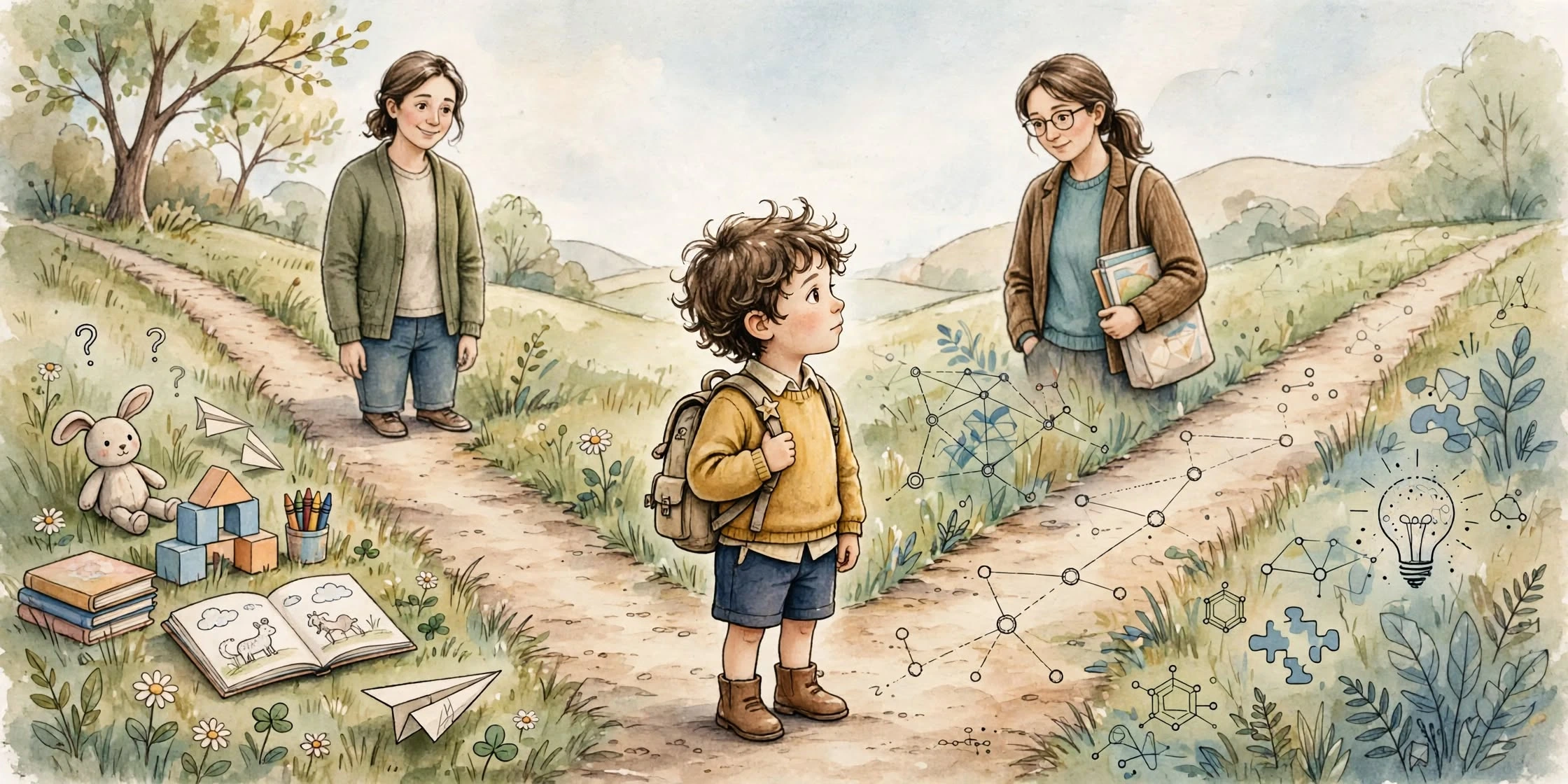
AI literacy tells us what learners should understand and do. But what must develop in a young child before those competencies can meaningfully begin?

AI Pre-Literacy: Preparing Children for an AI-Driven World

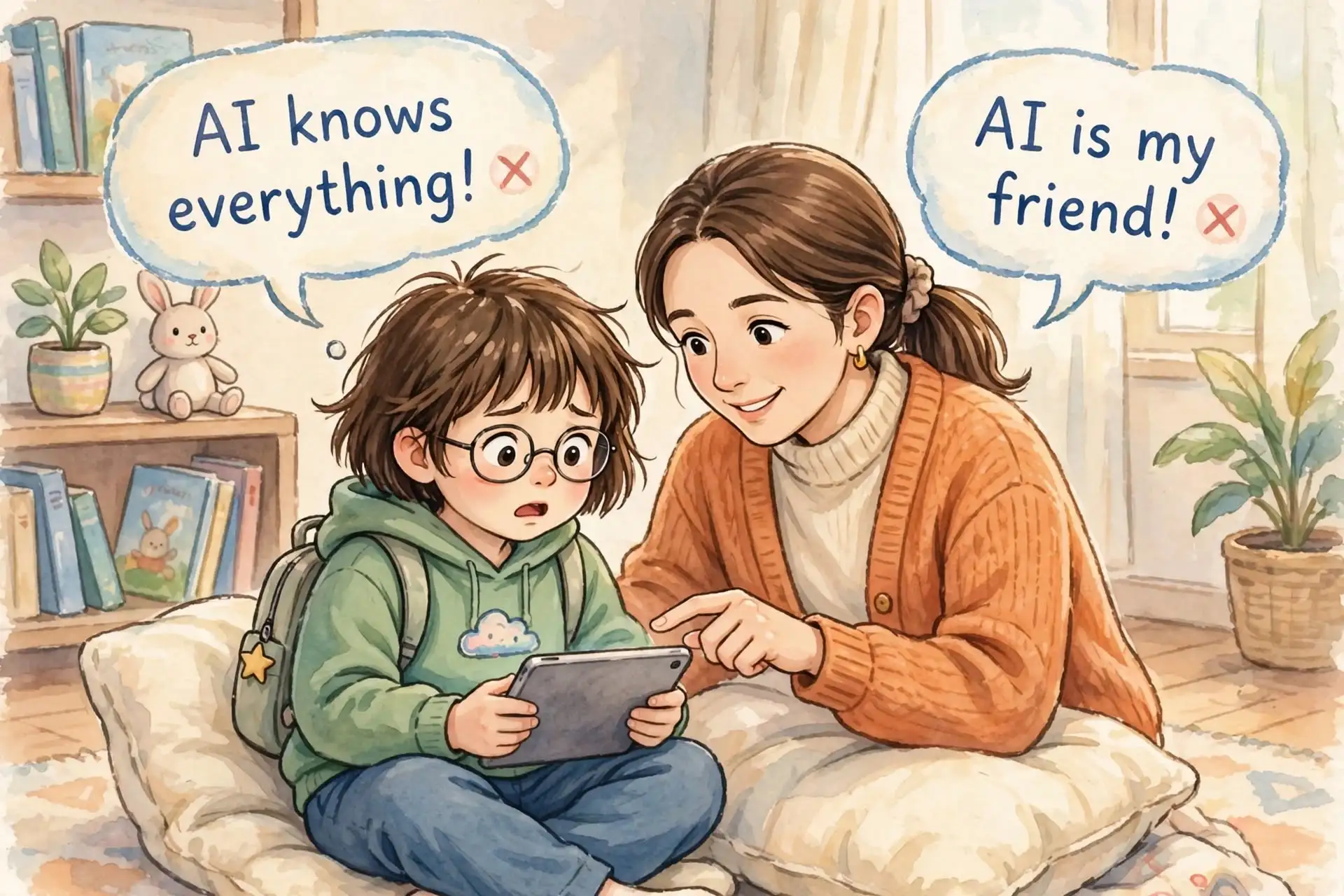
Mother is playing with her child

Children may encounter AI before they know that AI is present. This raises a fundamental question: what developmental foundations should come before formal AI literacy?

The AI Literacy Gap: What Happens When Children Don’t Learn Early

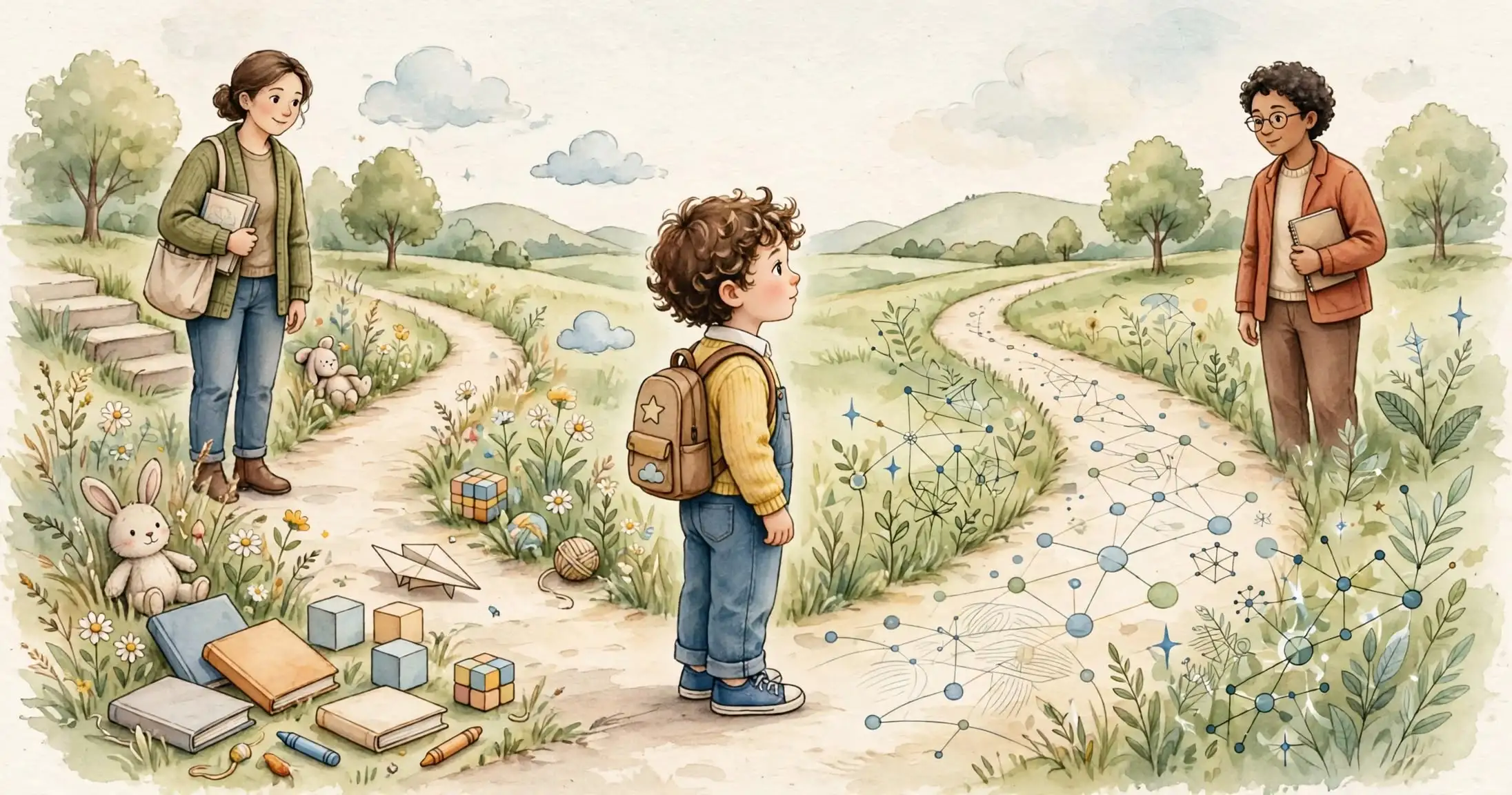
AI divide-AI usage with and without gudance

Imagine two children, both five years old. One grows up in a home where parents talk about technology. They explain that the voice in the smart speaker follows instructions. They ask questions about why the tablet recommends certain shows. They read stories together about smart helpers and friendly robots. The other child uses the same … Read more

10 Free AI Pre-Literacy Activities for Children Ages 0–8: Share a Device, Learn Together

mother and child sharing mobile phone for learning

AI is already part of childhood. These 10 free, no-device AI pre-literacy activities use simple five-minute stories to help children ages 0–8 tell the difference between machines that watch and save—and people who understand and care. Ideal for parents, educators, and caregivers.

AI Pre-Literacy: The Missing Foundation Before AI Literacy

a child and a mother sharing a mobile for playing games

Everyone is racing to teach kids AI literacy. Almost no one is asking what has to come before it.

AI literacy frameworks typically begin around age 8 — and rightly so. They focus on skills: how AI works, how to use it, how to evaluate it. But the years before age 8 are not a waiting room. They are the prime years.

In those years, children form the foundations that make later AI literacy possible at all: the vocabulary to question AI, the cognitive sense-making to grasp what it is and is not, the early trust calibration that becomes healthy scepticism, the socio-ethical awareness to notice unfairness, and the empathic attunement that keeps human relationships primary.

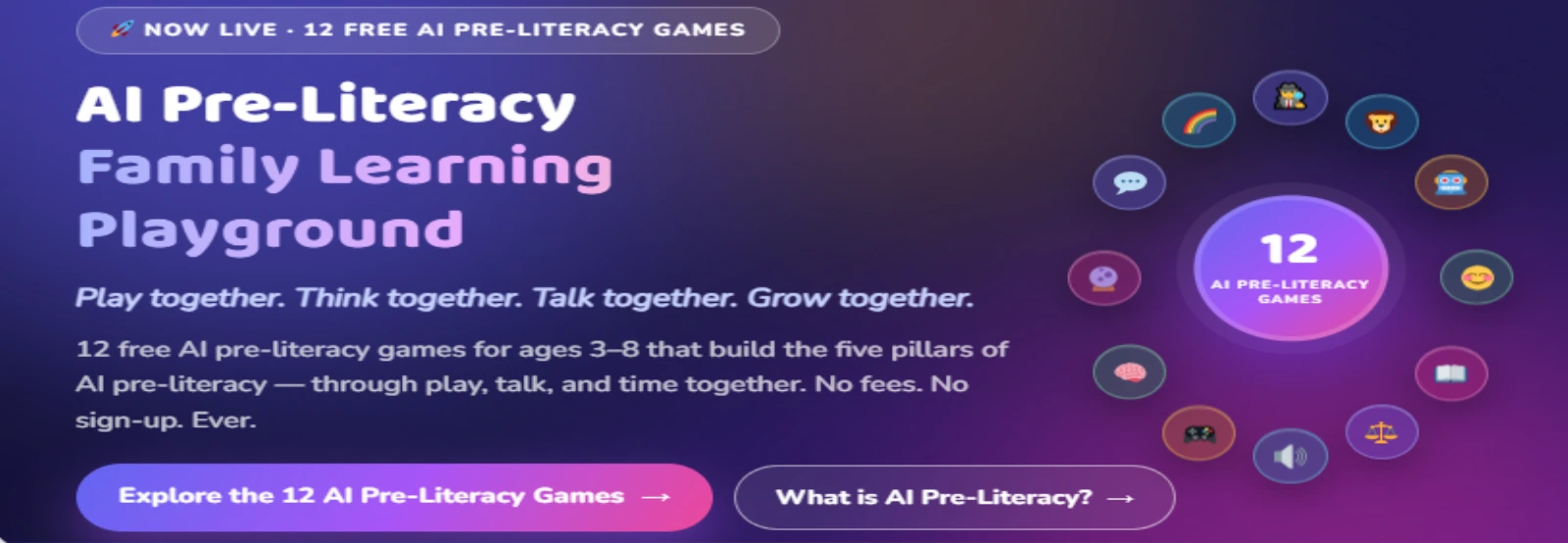
We call this AI Pre-Literacy — “pre” as in prime, not before. And we’ve built 12 free games for ages 3–8 to help.