AI Literacy Under Review: What Comes Before Competency?
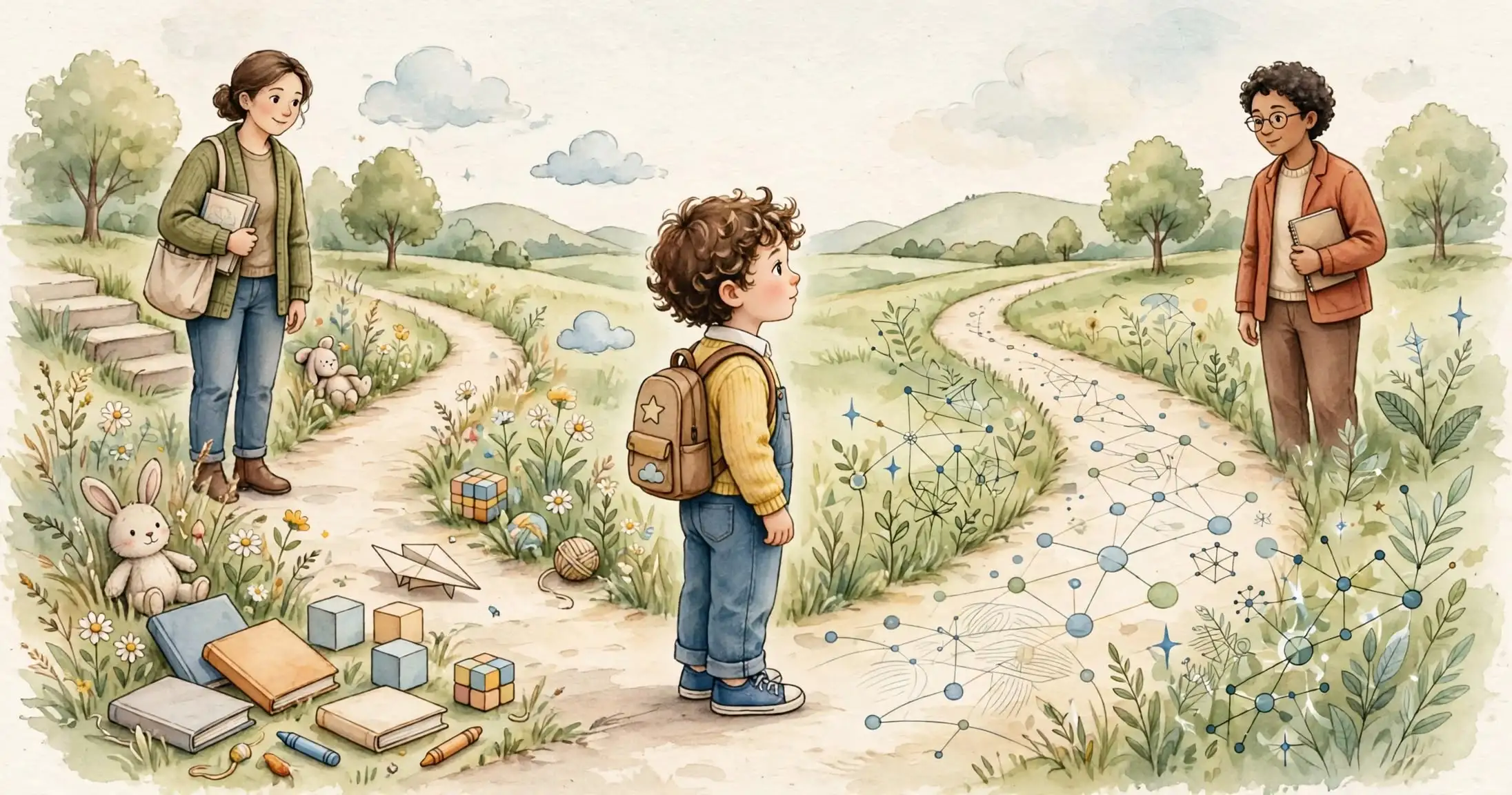
AI literacy tells us what learners should understand and do. But what must develop in a young child before those competencies can meaningfully begin?
Building Feature Minds
AI literacy tells us what learners should understand and do. But what must develop in a young child before those competencies can meaningfully begin?
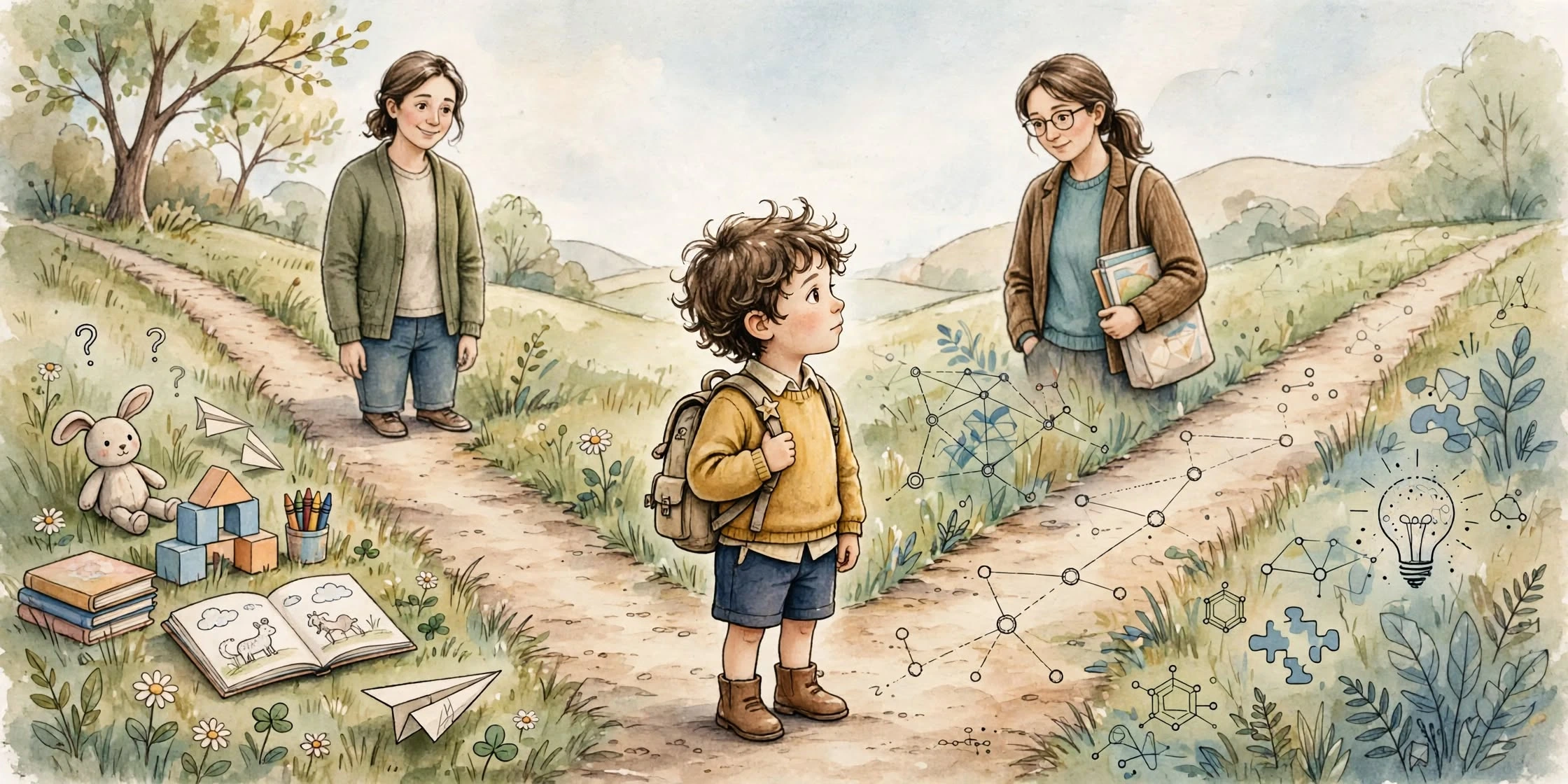
AI literacy tells us what learners should understand and do. But what must develop in a young child before those competencies can meaningfully begin?

Imagine two children, both five years old. One grows up in a home where parents talk about technology. They explain that the voice in the smart speaker follows instructions. They ask questions about why the tablet recommends certain shows. They read stories together about smart helpers and friendly robots. The other child uses the same … Read more

Everyone is racing to teach kids AI literacy. Almost no one is asking what has to come before it.
AI literacy frameworks typically begin around age 8 — and rightly so. They focus on skills: how AI works, how to use it, how to evaluate it. But the years before age 8 are not a waiting room. They are the prime years.
In those years, children form the foundations that make later AI literacy possible at all: the vocabulary to question AI, the cognitive sense-making to grasp what it is and is not, the early trust calibration that becomes healthy scepticism, the socio-ethical awareness to notice unfairness, and the empathic attunement that keeps human relationships primary.
We call this AI Pre-Literacy — “pre” as in prime, not before. And we’ve built 12 free games for ages 3–8 to help.

While children use AI daily, most schools still don’t teach it. Discover what’s missing from the curriculum — and how parents can fill the gap.
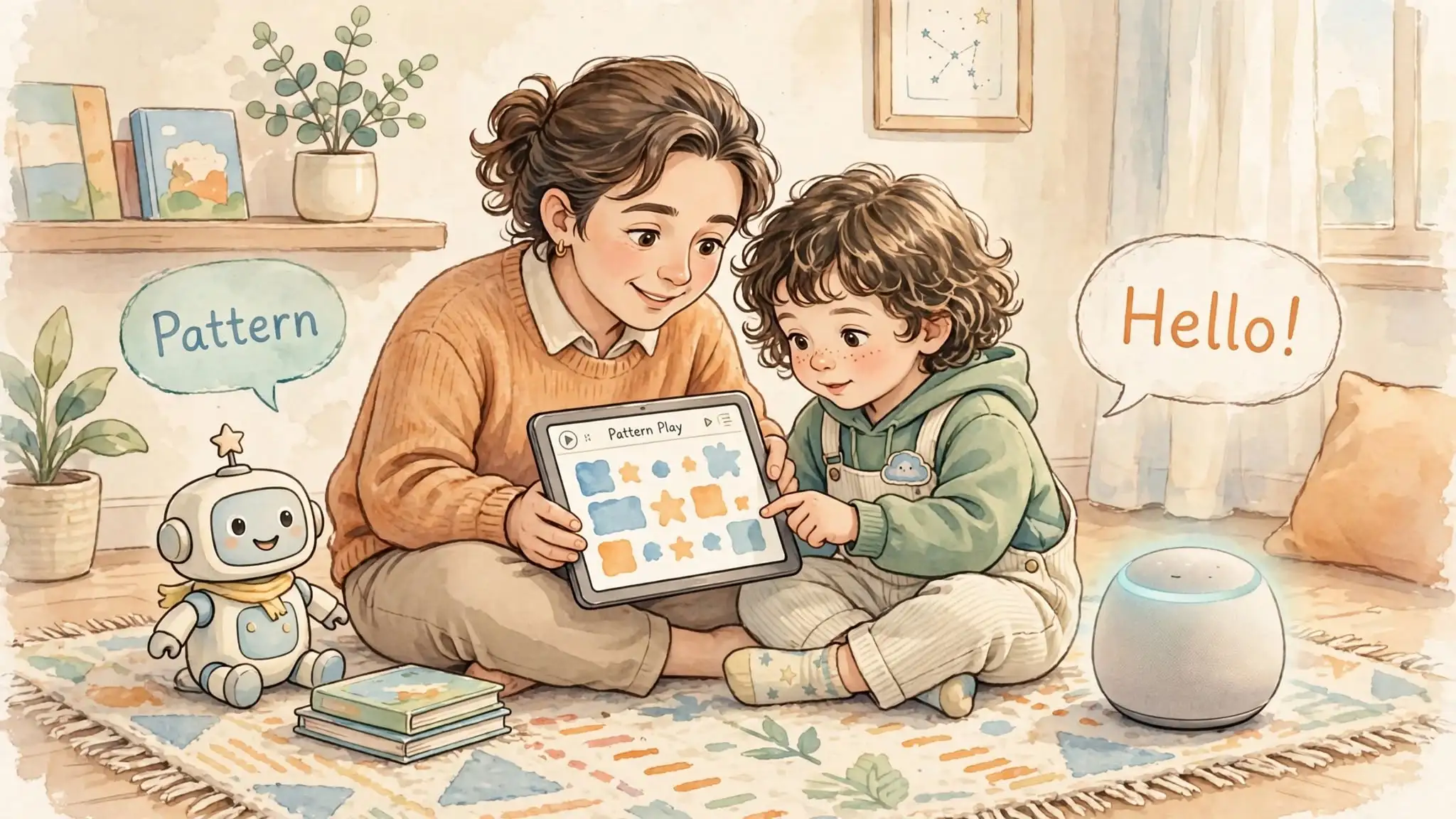
Not so long ago, being a good digital citizen meant something fairly straightforward: don’t share your password, think before you post, and be kind online. Those lessons are still important. But they are no longer enough. Today, digital citizenship must include something far more fundamental: the ability to understand, question, and navigate artificial intelligence. And … Read more

Discover why AI vocabulary matters more than coding for young children. Backed by UNESCO, OECD, and early childhood research.